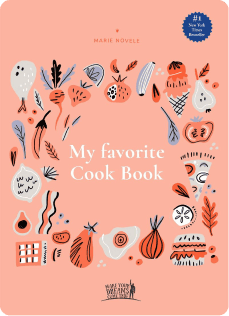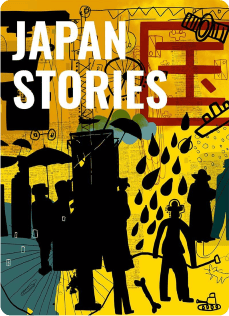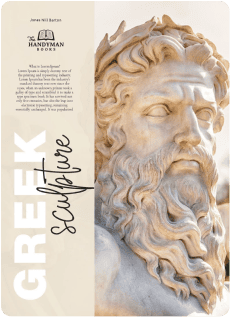
A great cover starts with a great brief. Here's exactly what your designer needs from you, how to gather comp titles and mood, and a ready-to-use cover brief template you can copy.
Key Takeaways
- A strong brief is the single biggest factor in getting a great cover on the first round, vague briefs produce vague covers.
- The most useful thing you can give a designer is comp titles: 5–10 bestselling covers in your exact subgenre that you'd be proud to sit beside.
- Tell the designer the mood and genre signals you want, not how to do their job, describe the destination, not the route.
- Separate must-haves (title, author name, genre) from nice-to-haves (a specific image idea) so the designer has room to solve the problem.
- Want experts who handle the brief with you? Call Spines Publishing USA at (708) 575-4611 or email info@spinespublishingusa.com.
The quality of your book cover is decided before the designer opens their software, in the brief you give them. A clear, well-prepared brief is the difference between a cover that nails it on round one and an expensive cycle of revisions that still misses. The good news: briefing a designer well is a learnable skill, and most of the work is gathering the right information. Here's how to do it.
What a Designer Needs From You Before Starting
Before any design begins, your designer needs the essentials. Gather these first:
- Title, subtitle, and author name — exactly as they should appear, with correct spelling and capitalization.
- Genre and subgenre — be specific: not "fantasy" but "epic fantasy" or "cozy romantasy." Subgenre drives the entire visual direction.
- Trim size and format — ebook only, or print too? Print covers need page count for spine width (see cover specs).
- A short synopsis — 2–4 sentences on what the book is about, plus its mood and tone.
- Target reader — who is this book for? The designer designs for that reader, not for you.
- Comp titles — the most important input of all (covered next).
Genre, Comps, and Mood Board Basics
Comp (comparison) titles are the heart of a good brief. Choose 5–10 successful, recent books in your exact subgenre whose covers you admire and would be proud to sit next to on a virtual shelf. These tell the designer, far more precisely than any adjective, what visual language your readers expect.
When you share comps, explain what you like about each: "the bold typography on this one," "the moody color palette here," "the way this one reads clearly even as a thumbnail." This turns a pile of images into actionable direction. A simple mood board, a single page or Pinterest board collecting your comps, color references, and any imagery or textures that capture the feeling you want, makes your intent unmistakable.
Comps aren't about copying. They define the genre's visual neighborhood so your cover lands in the right one, then stands out within it.
Must-Haves vs. Nice-to-Haves
One of the most valuable things you can do is separate what's non-negotiable from what's merely a preference. This gives a skilled designer room to solve the real problem, attracting your readers, rather than executing your specific mental picture (which is rarely the best solution).
| Must-Haves (specify firmly) | Nice-to-Haves (hold loosely) |
|---|---|
| Correct title & author name | A specific image you imagined |
| Genre/subgenre signals | An exact color you have in mind |
| Print + ebook deliverables | A particular font you like |
| Series consistency (if applicable) | Symbolic elements from the plot |
| Legibility at thumbnail size | Your own rough sketch |
Beware over-specifying. If you dictate every element, you get your idea executed, not the designer's expertise applied. You hired them for their judgment, give it room.
A Free Cover Design Brief Template
Copy this structure and fill it in. Hand it to any designer and you'll get dramatically better first-round results:
- Book title / subtitle / author name: (exact spelling)
- Genre & subgenre: (be specific)
- Formats needed: (ebook, print paperback, hardcover, audiobook thumbnail) + trim size + page count
- One-line pitch: (the book in a sentence)
- Synopsis & tone: (2–4 sentences; is it dark, hopeful, fast-paced, literary?)
- Target reader: (who buys this book)
- Comp titles: (5–10 covers you admire, with a note on why for each)
- Must-haves: (non-negotiables)
- Nice-to-haves: (preferences you'll happily trade for a better solution)
- Things to avoid: (clichés, colors, or styles that are wrong for your book)
- Deadline & budget: (so the designer can scope the work)
Giving Feedback on the First Draft
When the first concepts arrive, give feedback that describes the problem, not the solution. "The title is hard to read as a thumbnail" is far more useful than "make the title bigger", it lets the designer solve it properly. React to whether the cover signals the right genre and mood, not just to personal taste. And remember to judge it at thumbnail size, the way readers will.
Don't want to manage the brief alone?
Spines Publishing USA's design team builds the brief with you, drawing on genre expertise to translate your book into a cover that sells. Call (708) 575-4611, email info@spinespublishingusa.com, or explore cover design.
Explore Cover DesignA great brief respects both your vision and your designer's expertise. Give them the essentials, anchor the direction with strong comps, separate must-haves from preferences, and feed back on problems rather than dictating solutions. Do that, and you'll get a cover that does its real job, making the right readers click. For the bigger picture on what "selling" looks like, revisit what makes a book cover sell.
Frequently Asked Questions
What should a book cover design brief include?
A strong brief includes the exact title, subtitle, and author name; specific genre and subgenre; formats and trim size needed (with page count for print); a short synopsis and tone; your target reader; 5–10 comp titles with notes; clearly separated must-haves and nice-to-haves; things to avoid; and your deadline and budget.
What are comp titles and why do they matter?
Comp (comparison) titles are 5–10 successful, recent books in your exact subgenre whose covers you admire. They communicate the visual language your readers expect far more precisely than adjectives can, and they're the single most useful input you can give a cover designer.
How specific should I be when briefing a designer?
Be firm on must-haves (correct text, genre signals, deliverables, thumbnail legibility) but hold preferences loosely. Over-specifying every element forces the designer to execute your idea rather than apply their expertise. Describe the destination, the right reader reaction, and give them room to find the route.
How do I give good feedback on cover drafts?
Describe the problem, not the solution. 'The title is hard to read at thumbnail size' is more useful than 'make it bigger,' because it lets the designer solve it properly. Judge whether the cover signals the right genre and mood, and always evaluate it at thumbnail size.
Do I need a brief if I use a full-service publisher?
A full-service publisher like Spines Publishing USA will build the brief with you, but coming prepared with your genre, comps, and tone still produces a better result faster. The clearer your input, the more precisely the design team can translate your book into a selling cover.